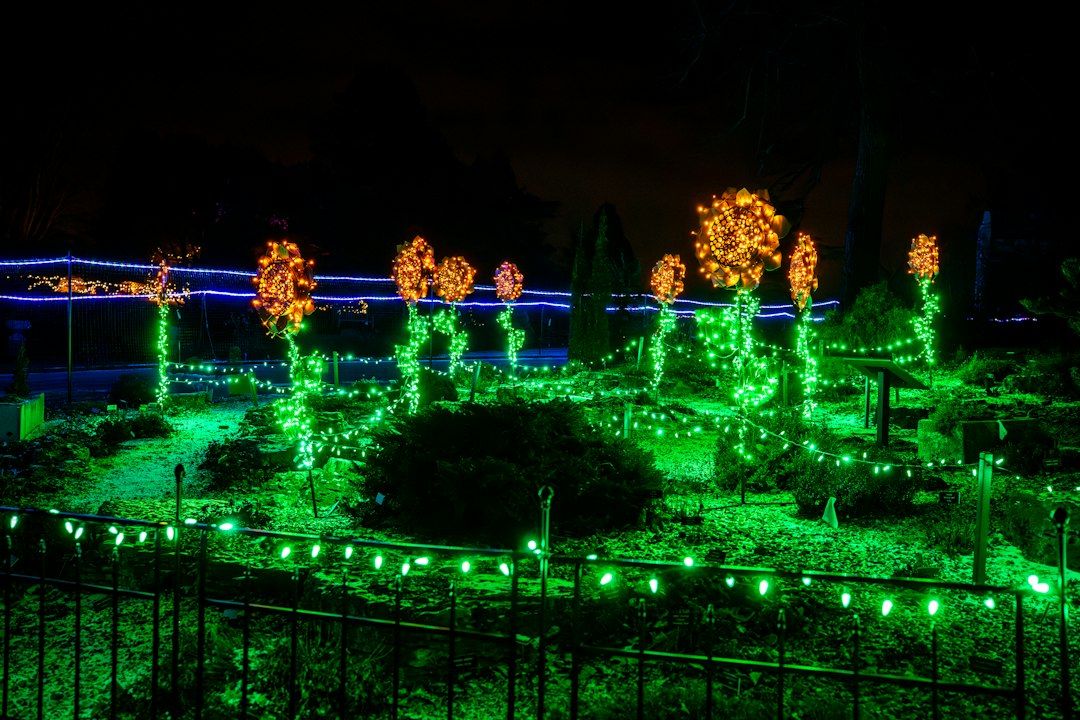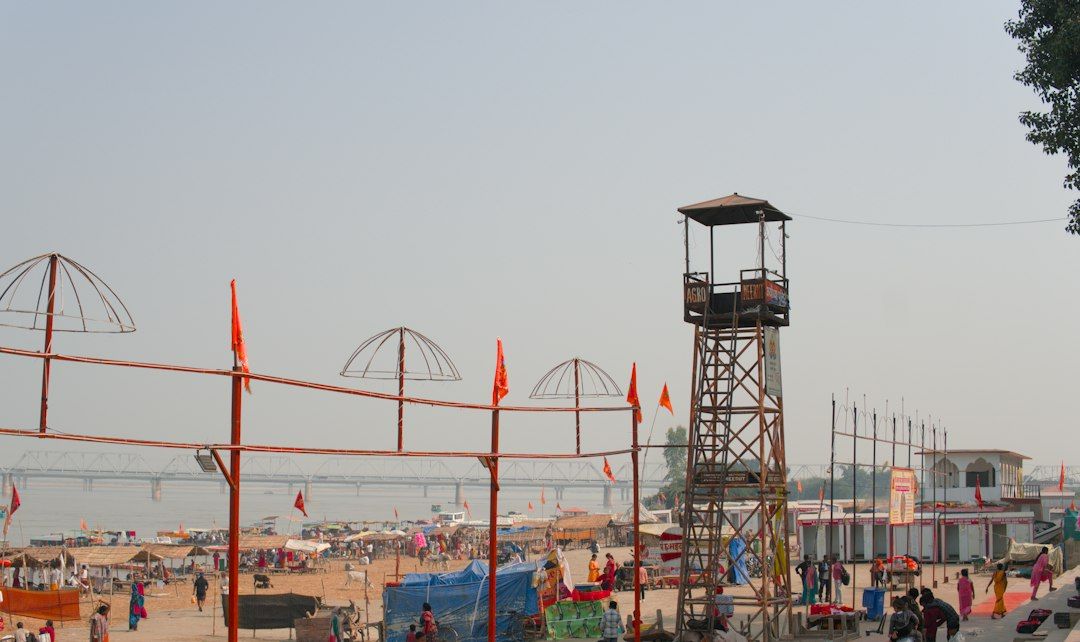
On the first evening of the festival week, around 35,000 volunteers lined 56 ghats along Ayodhya's Saryu river and lit earthen lamps until the riverfront glowed orange. Organisers had set a target of 30 lakh diyas for the tenth Deepotsav, roughly 15% more than the 2,617,215 that took the Guinness record in 2025. Divide the target by the volunteers and each person carries about 86 lamps. Divide it by the ghats and every stretch of stone holds more than 53,000. The count is the point, and almost everything about how Diwali now travels as a tourism product follows from that instinct to measure the festival in units of fire.
Diwali's main day fell on Sunday, 8 November this year, with the five-day window running from 6 to 10 November. It lands on the darkest night of the Hindu lunar month of Kartik, when no moon is visible, which is the reason the lamps register as an event at all. Any festival built on darkness and a lunar date carries a scheduling problem inside it. It arrives once, it arrives almost everywhere at the same time, and then it's gone.
The Record Is the Product
The production list out of Ayodhya reads like a television call sheet. Uttar Pradesh has spent a decade refining the format, and the tenth edition was the most polished version of a show built to generate footage.
- 30 lakh diyas across 56 ghats of the Saryu
- 2,100 drones flying a Ramayana sequence above the river
- more than 2,100 participants in a simultaneous Saryu Maha Aarti
- 21 tableaux in the Shobha Yatra, plus lasers and fireworks over the water
- 35,000 volunteers on lamp duty, plus 1 lakh diyas around the temple complex
That is a content strategy wearing a religious calendar. The measurable output is lamps and drones, and those numbers travel much further than any hotel occupancy figure. Streaming platforms ran the same play for a decade, buying scale that looked like growth and behaved like cost, a hangover the industry is still working through as it tries to rebuild the economics of cable television. A record is cheaper to purchase than a functioning year-round destination.
The Guinness count has an odd property too. It can rise every year while nothing else rises with it. Ayodhya added about 15% more lamps than in 2025. If the town had added 15% more beds, restaurants, guides or public toilets over the same stretch, none of that would make a press release, and it's the part a visitor actually feels on the ground.
Where the Bookings Actually Landed
Demand is genuinely strong. Cleartrip's festive trends tracker recorded Gen Z flight bookings up 60% and hotel stays up 135% for Diwali 2026, with budget hotels climbing 201%. Growth concentrated in Udaipur, Bengaluru and Jaipur rather than the temple towns, while the fastest-growing outbound destinations from India included Taipei, Cebu and Dublin.
The ratio between the two headline numbers is the interesting part. Hotel stays grew 2.25 times faster than flight bookings. When beds outpace seats by that margin, you're looking at shared rooms, group bookings and longer stays rather than a wave of solo pilgrims, and it means the incremental money lands in accommodation rather than in the events that supposedly pull people to a city.
| Layer of the Diwali economy | 2026 signal | Who keeps the money |
|---|---|---|
| Ayodhya's Deepotsav | 30 lakh diyas, 2,100 drones | State tourism budget and broadcasters |
| Budget Indian hotels | bookings up 201% | Domestic budget chains and independents |
| Mid-scale city hotels | rates about 27% above baseline | Operators in Udaipur, Jaipur, Bengaluru |
| Outbound Indian travel | Taipei, Cebu, Dublin growing fastest | Foreign carriers and inbound operators |
| Diaspora celebrations | London, Singapore, New York | Local restaurants, venues and retailers |
Then the rate math. A pricing forecast from analytics firm Sciative Solutions put Indian hotel rates roughly 27% above the pre-Diwali baseline during the following week. Set that against the calendar. A 27% lift held across five days adds around 0.4% to a year of takings. It's a very good week attached to a business that can't amortise it, because the staff hired for those five nights have to be paid for the other sixty weeks.
The Air Sets the Ceiling
There's a harder constraint overhead. The BBC reported Delhi's air quality index at 391 on the Friday morning before the main day, firmly in the very poor category, with crop residue burning and firecrackers both feeding the haze. The travellers most able to pay for a Diwali trip to northern India arrive in the month when its air is at its worst.
That pushes the premium version of the festival indoors, into hotel courtyards, private rooftops and ticketed dinners where the smoke belongs to someone else. It's a familiar split. The public celebration keeps the crowds and the pollution, while the paid version sells a shorter, cleaner, more photogenic encounter with the same thing.
Air quality isn't a footnote to this story, because it decides which tier of visitor a destination can serve and what it can charge them. A city that can't promise a clear sky in November is competing for the price-sensitive end of the market, and the booking data points the same way: budget hotels growing at 201%, not suites.
The Circuit Abroad Pays in Attention
London, Singapore, New York. Nepal's Tihar, Vietnam's Lai Chau. Each place has built its own version, and Singapore's Little India does it with neon and scale that cost a fraction of Ayodhya's production budget. These celebrations are cheap to stage, easy to monetise through restaurants and retail, and they function as year-round marketing for a country that doesn't have to fund them.
The commercial effect runs mostly one direction. A family in Singapore that spends the weekend among the light displays doesn't book a flight to Uttar Pradesh, because they've already had the experience at home, at a lower price and with no visa queue. The cheaper and more convenient the diaspora version gets, the weaker the case for travelling to the original.
That leaves a strange ledger. A Diwali thali sold in London pays a London kitchen. The festival's spread widens the audience without widening the treasury in Ayodhya, Varanasi or Jaipur. Host cities collect the branding and the restaurant covers, while operators at the source get a five-day spike and a rate premium that evaporates by mid-November.
Diwali has become one of the world's genuinely global festivals while remaining one of its most seasonal businesses, and those two facts aren't reconciling. Next November the lamps will be counted again and the number will be larger, because that is the part of the festival the machinery knows how to grow. The harder question sits in a hotel ledger in a town that isn't Ayodhya, in the third week of the month, when the diyas have been swept into the river and the drones are packed away.
Strategic Takeaways
- ✓Ayodhya's tenth Deepotsav targeted about three million oil lamps across 56 river ghats, a record designed for broadcast more than for spreading visitor spending.
- ✓Cleartrip logged Diwali hotel stays up 135% and budget hotel bookings up 201%, but nearly all of that demand is squeezed into a five-day window.
- ✓London, Singapore and New York now stage the festival at lower cost and higher margin than the Indian towns that supply its imagery.

Largern Staff
Collaborative ideas and essays from the Largern desk on the ideas, habits, and shifts shaping modern life.
Comments (0)
No comments yet
Be the first reader to share your perspective on this story.