The Convergence of Vision-Language Models and Actuation
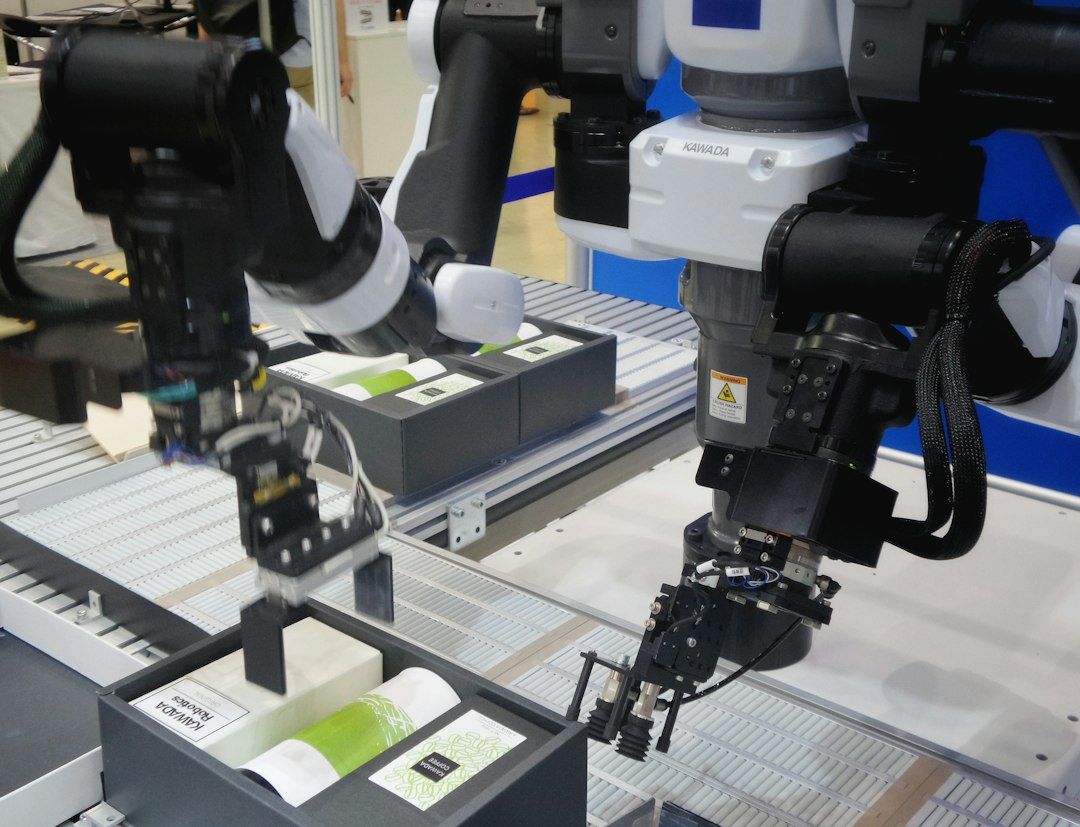
For half a century, industrial robotics was defined by heavy, rigid mechanical arms bolted to factory floors, meticulously pre-programmed to weld a specific seam or tighten a single bolt thousands of times a day in structured environments. If a part shifted by two centimeters, the system failed.
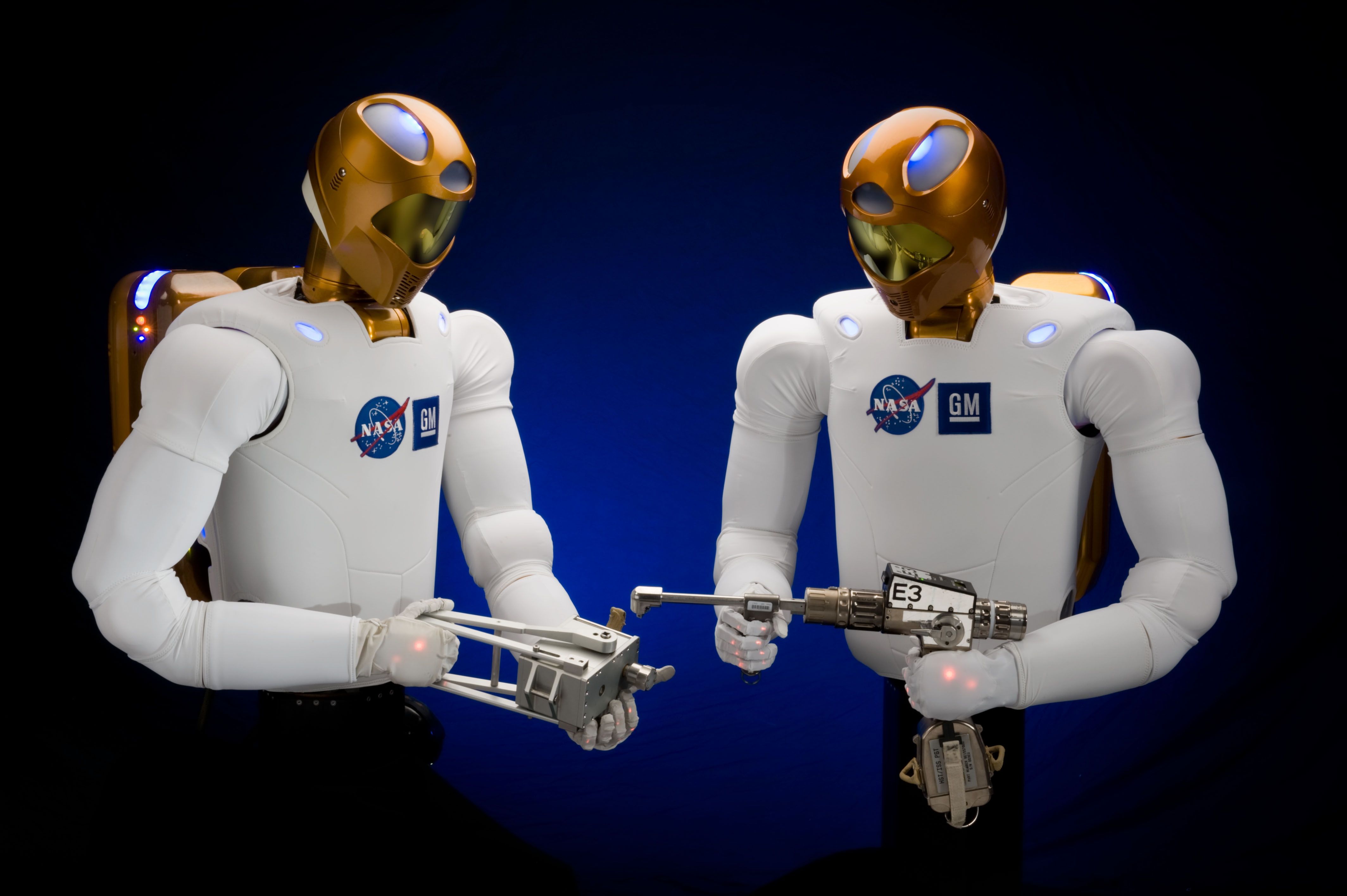
Over the past eighteen months, the explosive fusion of multimodal neural networks with high-torque brushless actuators has created an entirely new category: general-purpose humanoid robotics capable of navigating chaotic, human-designed environments.
Rather than relying on brittle classical kinematics, modern bipedal and wheeled humanoids utilize end-to-end vision-language-action (VLA) models pioneered by Google DeepMind Robotics. The robot looks through stereo cameras, processes visual tokens directly alongside language instructions, and produces continuous joint torque commands in real time, adapting fluidly when an obstacle blocks its path or a dropped part rolls under a shelf.
The Industrial Proving Ground: Warehouses and Assembly Lines
While science fiction often depicts humanoid robots performing domestic household chores, the initial commercial deployment is strictly confined to structured industrial environments facing acute structural labor shortages.
Automotive manufacturing plants and e-commerce fulfillment hubs have become the primary battlegrounds. Leading manufacturers like BMW Group and Figure AI have deployed humanoid robots in production trials to sequence parts, handle sheet metal, and transport components across factory floors.
These environments are ideal: they feature flat concrete floors, controlled ambient lighting, clear tasks, and measurable return-on-investment metrics based on throughput and machine downtime. Robotics manufacturers report that customers are demanding robotic labor-as-a-service contracts that guarantee operational uptime rather than outright hardware sales.
| Humanoid Platform | Manufacturing Firm | Key Pilot Partner | Primary Industrial Task | Actuation Architecture |
|---|---|---|---|---|
| Figure 02 | Figure AI | BMW Group (Spartanburg Plant) | Sheet metal sub-assembly and parts sequencing | Custom electric brushless motors with integrated routing |
| Digit | Agility Robotics | Amazon Fulfillment / GXO Logistics | Tote recycling and bulk parcel conveyance | Hybrid 4-bar linkage bipedal inverted kinematics |
| Apollo | Apptronik | Mercedes-Benz Group | Assembly line kitting and component logistics | Modular linear electric actuators with high-power density |
| Atlas (Electric) | Boston Dynamics | Hyundai Motor Group | Heavy component sequencing and parts handling | Full 360-degree joint actuation with proprietary torque sensing |
The Remaining Hardware Hurdles: Battery Density and Dexterity
Despite breathtaking progress in autonomous locomotion and dynamic agility demonstrated by teams at Boston Dynamics, two severe engineering bottlenecks remain before humanoids achieve ubiquitous commercial scale: high-density energy storage and tactile end-effector dexterity.
Current battery chemistry limits high-torque humanoid operations to roughly two to four hours of continuous physical work before requiring an autonomous return to a rapid-charging dock. Achieving full eight-hour shift parity remains the holy grail of robotic mechanical design.
Simultaneously, robotic hands are undergoing an intense evolutionary leap. Replicating the sensory density and compliant tendon mechanics of human fingers is essential for handling delicate fabrics, non-rigid wiring harnesses, and irregular fragile packages without crushing them. The engineering consensus is clear: the frontier of artificial intelligence is no longer software algorithms, but the mechanical mastery of the physical world.

Anthony Dami
Technology & Culture writer at Largern, focusing on AI, consumer hardware, film, internet culture, and the routines and tools behind everyday life.
Comments (0)
No comments yet
Be the first reader to share your perspective on this story.