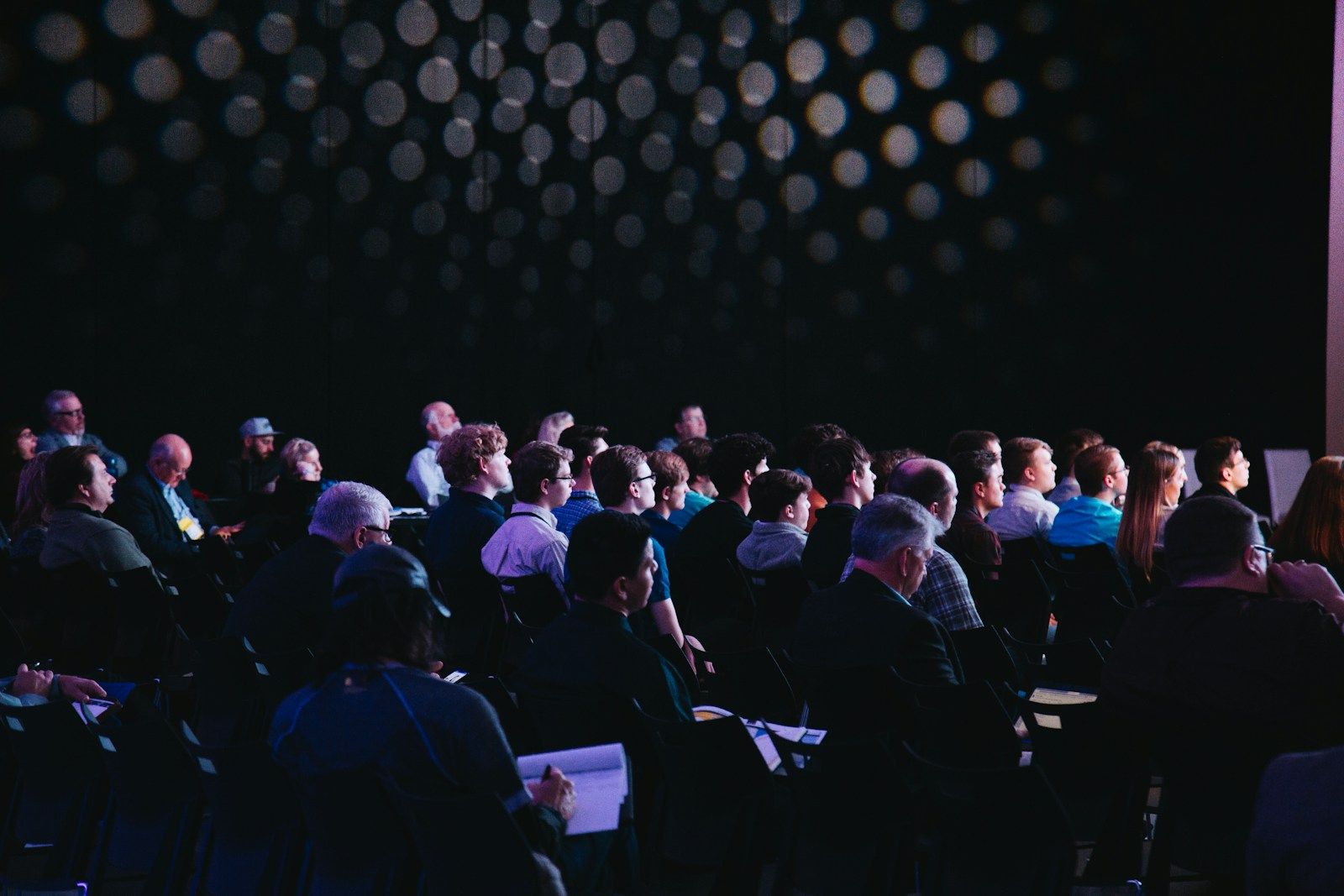
The last afternoon of a three-day conference has a particular texture. The room is warm, the coffee has stopped working, and the slides stay legible even though the argument behind them has started to blur. That afternoon fell on November 3 this year at the New York Marriott at the Brooklyn Bridge, where the ASA Section on Statistical Learning and Data Science closed its 2026 conference under the title Inference and Intelligence. What the section put on the program, and how quickly three days of it can outrun a human attention span, are the same question asked from two directions.
What the Theme Signaled About the Field
The conference is the flagship event of the ASA section, which started the meeting in 2016 and resumed it in 2024 after the pandemic interruption. Organizers described the aim plainly: to spread recent work at the intersection of statistics, machine learning, and artificial intelligence, with a specific emphasis on principled inference for modern data and intelligent systems. Sessions ran across high dimensional statistics, big data analytics, deep learning, and causal inference. The subject list matters less than the ordering, because inference is the part of the pipeline that asks why a number moved rather than how much it moved.
That distinction has been under pressure for a decade. Prediction got cheap, and the models that predict well are often the ones nobody can interrogate, which is a fine trade if the goal is a ranking and a poor one if the goal is a decision. A model that forecasts who will cancel a subscription tells you nothing about whether a discount caused the save or merely coincided with it. Causal inference is the slower, more expensive route to that answer, and it stayed on the program because it's the part that survives contact with reality.
The personal version of this argument isn't a metaphor. Most people run a prediction model on their own week and never inspect it, expecting Thursday to be brutal because Thursday is always brutal. That expectation is a forecast with no mechanism behind it. Asking which meeting created the load, and whether moving one of them changes the outcome, is the same move a statistician makes when swapping a fitted model for an identified one.
Three Days Outruns Working Memory
Conference design assumes a delegate who can absorb a morning of theory, a lunch of hallway conversation, an afternoon of applications and a dinner, then repeat it twice. The assumption is generous. The first day goes into building a frame, the second is where the frame does useful work, and by the third the material gets sorted into things that sound familiar rather than things that are understood.
Sleep is the constraint that gets negotiated away first, and it's the one doing the consolidation. Sleep researchers have documented for decades that memories formed during the day are stabilized overnight, which makes the second night of a conference the most valuable one and the late dinner the most expensive. Harvard Health's sleep coverage sets out the mechanism without needing a badge. A delegate who trades four hours of sleep for a hotel bar conversation is spending tomorrow's comprehension on tonight's networking.
Run the numbers on a schedule like this one. Three days at a venue, roughly eight and a half hours on site each day, comes to about 25 hours in the building. A delegate who attends 40 twenty-minute talks sits through 13 hours of actual content, which leaves nearly half the trip in coffee lines, elevators, and poster sessions. The ratio says something about where the value hides, and the unstructured half of the trip is doing more work than the printed program admits.
Deadlines That Decide Whether the Trip Counted
The sessions end, but the accounting doesn't. The conference site lists a special issue of the Journal of Statistical Planning and Inference with a submission deadline of December 30, 2026, which is 55 days from today and 57 days after the final session. That window is the honest test of whether three days produced anything. Turning a talk into a paper takes sustained attention of a kind a hotel ballroom cannot supply, and the deadline exists because the organizers know it.
| Date | What it asks of you | Who feels it |
|---|---|---|
| June 1, 2026 | Registration opens | Anyone planning the trip |
| August 31, 2026 | Early registration closes | Budget planners |
| September 30, 2026 | Abstract and invited speaker deadline | Presenters and speakers |
| October 12, 2026 | Cancellation and housing cut-off | Anyone who needs a room |
| November 1 to 3, 2026 | Conference sessions | Every delegate |
| December 30, 2026 | Special issue submission | Authors turning talks into papers |
The conversion rate from conference talk to published paper is low for reasons that have nothing to do with talent. Notes get filed. A half-finished idea meets a full inbox on the Monday after. The slide that made an argument obvious in the room reads like shorthand six weeks later, because the room was supplying context the slide never contained. Three things tend to survive the trip, and only one of them is written down:
- The two or three researchers whose papers you can now read with a voice attached.
- The single methodological objection that changed how you'd run your own analysis.
- The draft that exists as a file rather than an intention.
Everything else, including most of the slides you photographed, decays inside a fortnight.
What to Do With the Notes You Took
The useful intervention is small and unglamorous. Within a week of landing, reread the notes and rewrite the three sentences that would still matter if the rest vanished. Rewriting is how you find out whether an idea was yours or merely well presented. Ideas that survive a plain-language pass tend to be the ones worth a month of follow-up work.
The second intervention is structural, and it applies to any schedule that spends more attention than it earns. A calendar audit that maps what you actually attended against what you said you'd attend usually shows the value sat in fewer sessions than the badge implied and in more conversations than the program listed. Conferences are expensive in hours before they're expensive in money, and the hours are the line item nobody budgets.
Treating attendance as an input to a decision changes how the next one gets planned. If the point is the paper, block the writing time before booking the travel. If the point is the two collaborators you can only meet in person, skip the third morning of talks and take the longer breakfast. The program is a menu, and the delegates who get the most from it order deliberately.
The organizers framed the 2026 meeting around inference and intelligence, and the pairing holds outside the ballroom. Intelligence without inference is a fast system that can't explain itself, which describes a great many working weeks. The conference closed on November 3. What happens between now and December 30 will say more about whether those three days mattered than any panel did, because the only durable output of a temporary gathering is the work that outlives the room it started in.
Strategic Takeaways
- ✓SLDS 2026 ran November 1 to 3 at the New York Marriott at the Brooklyn Bridge and put principled inference ahead of raw prediction, a distinction that shows up in ordinary decisions too.
- ✓A three-day schedule asks for more judgment than any delegate can supply, and the final afternoon is where note-taking quietly replaces thinking.
- ✓The Journal of Statistical Planning and Inference special issue closes December 30, which leaves 55 days from today to turn a talk into something durable.

Largern Staff
Collaborative ideas and essays from the Largern desk on the ideas, habits, and shifts shaping modern life.
Comments (0)
No comments yet
Be the first reader to share your perspective on this story.