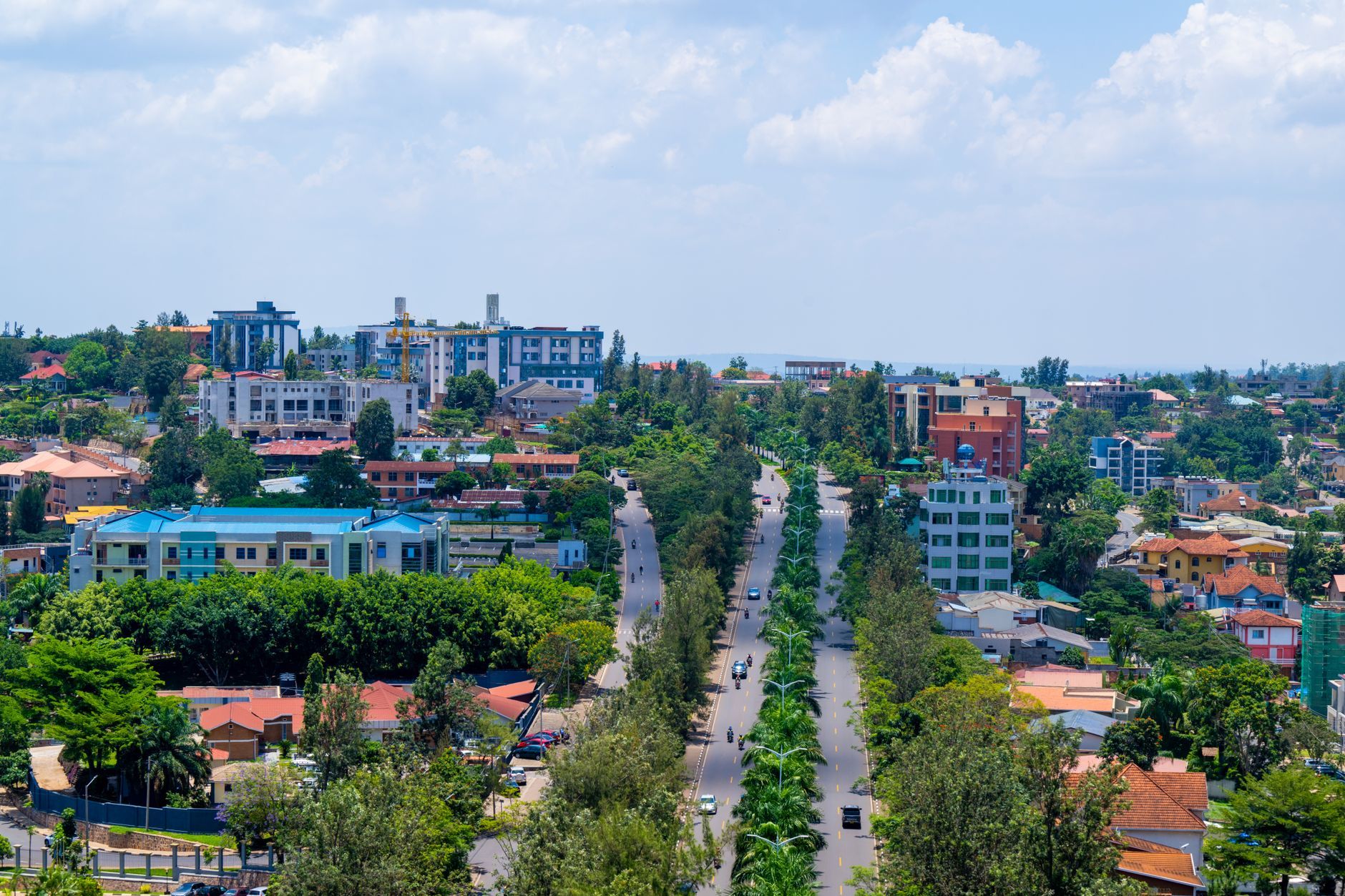
Thirty-four startups are listed in the Alpha Expo micro acceleration and pitch programme at the Africa Fintech Summit, which runs from November 18 to 20 at the Kigali Convention Centre. The venue sits five to six kilometres from Kigali International Airport, close enough that a founder can land, clear immigration and be standing in the registration queue within a couple of hours. That convenience is precisely what makes the trip expensive, because every one of those 34 teams is paying a similar fixed cost to compete for the same finite pool of investor and partner attention across three days.
The visible price is the pass, listed on the organiser's registration page at tiers that shift by date and category, and it is the number founders screenshot and send to their co-founder. The invisible price is everything built around it. A worked budget for someone flying in from Nairobi or Lagos, converted at the market rate of roughly 1,471 Rwandan francs to the dollar, lands between about $1,000 at the lean end and close to $3,900 if a second trip gets added later.
| Line item | Lean estimate | Comfortable estimate |
|---|---|---|
| Summit pass, standard tier | $150 | $500 |
| Return flight, Nairobi or Lagos | $380 | $1,100 |
| Hotel, four nights, Kimihurura area | $320 | $800 |
| Meals and per diem | $60 | $140 |
| Ride-hailing and airport transfers | $40 | $90 |
| Materials, printing, data roaming | $80 | $350 |
| Follow-up trip, if needed | $0 | $900 |
| Total | $1,030 | $3,880 |
Read the table honestly and the pass is between 4 percent and 13 percent of the whole. Founders spend weeks negotiating a discount on the smallest line and then book the flight nine days out at three times the fare they would have paid in August. The budget that matters is the total, and the total is set by decisions made long before anyone prints a banner.
Where the Money Leaves Before the First Meeting
The conference district around KG 2 Roundabout is not priced like the rest of Kigali. Hotels within walking distance of the venue run in a band that most delegates end up absorbing, roughly $120 to $200 a night once conference-week demand is priced in, and four nights is the realistic stay because the programme runs Wednesday to Friday and the cheapest flights rarely align with either end. Move two kilometres out and the same money buys a week. Very few founders do that, because the whole point of being there is proximity to the corridor conversations that happen between sessions.
Food is the second quiet leak. The venue guide itself notes that peak dining hours during large conventions fall between 12:30 PM and 2:00 PM, and recommends reservations or early arrival at the onsite restaurants. That is a polite way of saying the delegate who wanders down at 12:45 eats at the most expensive option in the building, at the most congested moment, and pays for the privilege. Coffee shops inside and near the complex sell the same calories for a fraction of the price. Across four days and two people, the difference between planned and unplanned eating is a few hundred dollars, which is more than the pass.
Currency adds a layer that rarely shows up in the pitch deck. At 1,471 francs to the dollar, a $600 hotel bill is roughly 882,600 RWF, a figure that reads very differently to a founder whose revenue is denominated in shillings, naira or cedis and whose costs here are quoted in dollars. That mismatch is old news for African operators, and it is why so many of them run dollar-denominated cost lines against local-currency revenue, a spread that quietly eats margin long after the summit ends. The currency mismatch does more damage than the conference fee.
The Follow-Up Line Founders Cut First
Nothing on the programme after November 20 costs money, and that is exactly why it gets ignored. The three days generate a stack of introductions, half-formed interest and one or two conversations that could become a pilot. Turning those into revenue requires flights to the investor's city, a paid follow-up dinner, or the cost of a second person staying behind for a week. Most founders file that under "later" and then discover later never gets funded.
Run the division properly. Eight conversations that reach a genuine second call is an optimistic outcome from three days on a busy floor. At the lean budget that is $129 per conversation. At the comfortable budget it is $485 for the same eight. If you cannot name eight people you expect to meet before you book the flight, the math collapses to $1,030 divided by two, and that number should end the discussion.
The follow-up budget that actually works is small and unglamorous. A pre-booked partner meeting in Nairobi or Lagos two weeks after the summit costs less than one extra hotel night in Kigali. A prepared one-page pilot proposal with pricing already on it costs nothing and converts better than a deck sent eleven days late. The founders who leave Kigali with signed letters of intent almost always had that paperwork drafted before they landed. Pricing held at the meeting matters as much as the meeting itself, and the pattern is consistent across markets: most startups quote half what their customers would pay and then blame the pipeline.
Who Should Actually Fly In
A continental summit is an accelerator, not a lead generator. The teams that get value from Kigali already had a licensing conversation open with a regulator, a term sheet in progress, or a named bank contact who agreed to a coffee. For everyone else, the expo floor is a very expensive way to collect business cards in a city they could have visited in March at half the cost. A working filter before committing the budget:
- Name six people you will meet, with dates, before you book the flight.
- Send whoever can commit to a price and a delivery date, not the most senior person on the team.
- Buy the pass and skip the booth unless your product demos in 90 seconds without a laptop charger.
- Pre-draft the pilot proposal and the pricing page, so the follow-up is a send and not a project.
- Book one follow-up meeting in a second city on the same trip, or don't book the trip.
- Hold back 15 percent of the total budget for what happens after November 20.
The uncomfortable structural fact is that 34 startups pitched into the same three days of attention. Attention is the scarce good here, not capital, and a pitch competition with 34 entrants is a supply glut by design. Founders who understand that arrive with fewer asks, sharper numbers and a shorter list of people to see, and they leave with the only thing that compounds, which is a second conversation already on the calendar. The ones who treat the pass as the purchase rather than the deposit spend $3,880 to learn what a $40 outbound sequence would have told them in a week.
Strategic Takeaways
- ✓The pass is rarely the biggest line in a Kigali summit budget, because flights, four hotel nights and ground transport usually cost two to five times more.
- ✓Divide the total trip by the number of conversations that reach a second call, and most bootstrapped founders discover a cost per serious conversation far above what the same money buys through structured outbound.
- ✓The follow-up budget, not the expo booth, is what turns three days in Kimihurura into signed contracts, and it is the first line founders cut.

Maleek Joshua
Business & Work Editor at Largern, writing about markets, entrepreneurship, careers, and the scenes behind how companies and people make money.
Comments (0)
No comments yet
Be the first reader to share your perspective on this story.